What Is NAD+?
The coenzyme that powers every cell in your body — and declines 50% by age 50. Here is what the research actually shows.
NAD+: The Coenzyme That Runs Every Cell in Your Body
Nicotinamide adenine dinucleotide. The name tells you more than you might expect. NAD+ is a coenzyme — a small molecule that does not act alone, but makes other biochemical reactions possible. Specifically: it acts as an electron carrier in the reactions that generate ATP, the energy currency of every cell in your body.
Without adequate NAD+, your cells cannot produce energy efficiently. It is that direct.
NAD+ participates in over 500 enzymatic reactions in the human body. Energy metabolism. DNA repair. Circadian rhythm regulation. Immune function. Gene expression. Stress response. The list is not exhaustive. NAD+ is not one pathway — it is foundational infrastructure.
Two classes of proteins depend on it heavily:
Sirtuins (SIRT1–7): A family of proteins that regulate cellular health, longevity signalling, inflammation, and metabolic efficiency. Sirtuins cannot function without NAD+. When NAD+ is depleted, sirtuin activity collapses — and with it, much of the cellular maintenance machinery that keeps you functioning well.
PARPs (poly ADP-ribose polymerases): Enzymes responsible for detecting and repairing damaged DNA. PARP activity consumes NAD+ rapidly during periods of oxidative stress or DNA damage — which increases with age. When baseline NAD+ is low, DNA repair capacity is compromised before the demand is even placed on it.
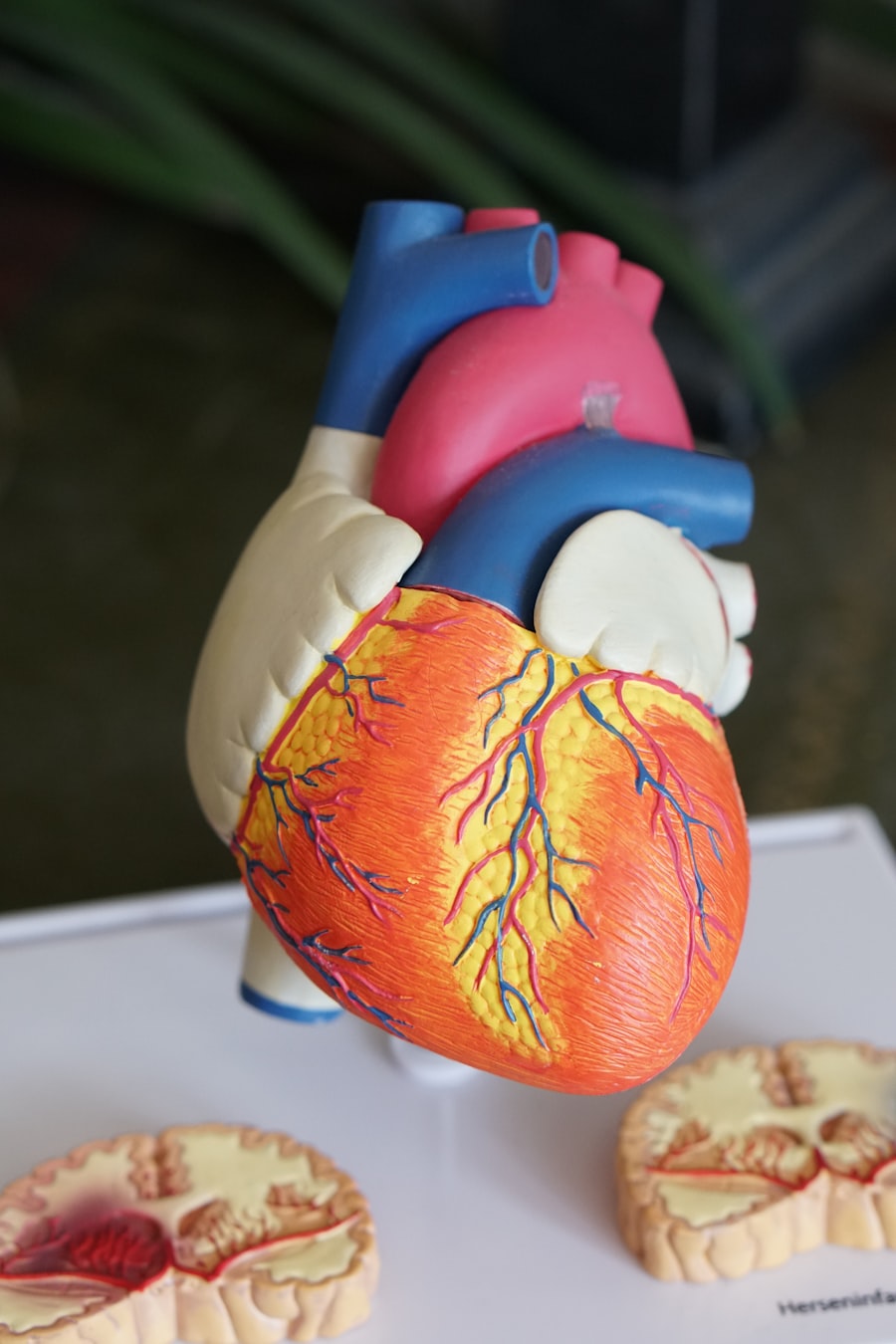
NAD+ is the electron carrier that powers mitochondrial ATP production in every cell.
Key Takeaway: NAD+ participates in over 500 enzymatic reactions. It is not one pathway — it is foundational infrastructure for every cell in your body.
Why NAD+ Declines After 40 — The CD38 Enzyme Mechanism
The question researchers spent years trying to answer was not whether NAD+ declines with age — that was well-documented. The question was why.
In 2016, a landmark paper by Camacho-Pereira and colleagues in Cell Metabolism identified the primary mechanism: CD38.
CD38 was identified as the primary driver of age-related NAD+ decline. In old mouse tissue, CD38 was present at levels 2–3 times higher than in young tissue.
CD38 is a glycohydrolase — an enzyme that breaks down NAD+ as part of immune signalling and calcium regulation. It is not malicious by design. At normal levels in younger tissue, CD38 plays an important regulatory role.
The problem is what happens after 40. As part of the broader inflammatory environment of aging (what researchers call “inflammaging”), CD38 expression increases substantially. Its activity accelerates. In old mouse tissue, Camacho-Pereira et al. found CD38 was present at levels 2–3 times higher than in young tissue — and that it was responsible for the majority of the age-related NAD+ decline observed.
The maths is simple and brutal: CD38 consumes NAD+ 20 to 50 times faster than NAD+ synthase (the enzyme that produces it) can keep up. The result is a progressive depletion that compounds over time.
This mechanism explains something that has frustrated consumers for years: why NAD+ precursors (NMN, NR) taken orally often produce disappointing results. If the rate of CD38-driven consumption exceeds the rate of supplemental NAD+ production, the deficit persists regardless of how many capsules you take. You are refilling a bucket with a hole in the bottom.
The solution is not just to add more NAD+ — it is to deliver it in a form and via a route that keeps pace with the depletion rate. Which is where delivery method becomes the deciding variable. Learn more about why NAD+ declines after 40 — the CD38 mechanism.
The Decline Is Not Gradual — It Accelerates
Based on research consensus, Schultz & Sinclair. NAD+ levels fall progressively with age, driven primarily by CD38 enzyme activity after 40.
Peak NAD+ baseline
Minimal decline
CD38 begins to ramp up
Half of youthful levels lost
Less than a quarter by age 70
CD38 consumes NAD+ 20–50× faster than NAD+ synthase can produce it. After age 40 this enzyme ramps up dramatically — creating a progressive depletion that oral supplements struggle to outpace.
— Camacho-Pereira et al., Cell Metabolism
What Low NAD+ Levels Actually Feel Like
Clinical papers describe NAD+ depletion in metabolic and molecular terms. Consumers describe it differently.
“I wasn't tired — I was depleted. There's a difference, and I only learned it when it was gone.”
“The 3pm wall, every single day. I've restructured my entire work life around it.”
“The word was just gone, mid-sentence. I'd used it a thousand times.”
These descriptions cluster into recognisable patterns:
Energy: Not tiredness that responds to sleep, but a persistent baseline deficiency. Waking unrefreshed. Energy that used to regenerate overnight no longer does. The 3pm drop that becomes structural, not situational.
Cognition: Slower word recall. Reduced processing speed. A fogginess that arrives without a clear cause and resists coffee. Described often as “below my normally optimised self” by people who have previously been cognitively sharp.
Recovery: Delayed muscle recovery after exercise. DOMS that lasts longer. The sense that your body needs more time between efforts than it used to. Athletes describe power output drops that their training schedule cannot account for.
Sleep: Difficulty reaching deep sleep. Waking between 2 and 4am consistently. Sleep that is technically sufficient in hours but not restorative in quality.
Not every person experiences all of these. But the pattern is consistent enough — and the biology coherent enough — that cellular NAD+ depletion is a reasonable starting hypothesis for anyone over 40 experiencing multiple symptoms in these clusters.
The sleep connection is particularly telling: NAD+ regulates circadian rhythm through SIRT1 and the CLOCK/BMAL1 pathway. When NAD+ drops, your internal clock loses precision — hence waking at 2–4am.
The Mitochondrial Connection
Every cell in your body depends on NAD+ to produce energy. When it depletes, the consequences cascade.
NAD+ and Mitochondria: The Energy Production Connection
Every cell in your body (with the exception of red blood cells) contains mitochondria — the organelles responsible for producing ATP via oxidative phosphorylation. The electron transport chain, which drives the majority of ATP production, depends on NAD+ functioning as an electron carrier (specifically in its reduced form, NADH).
When NAD+ is depleted, the electron transport chain operates below capacity. Mitochondria produce less ATP. Cells that are energetically demanding — neurons, cardiac muscle cells, skeletal muscle cells — suffer the consequences first. This is why NAD+ depletion manifests as fatigue, cognitive decline, and poor physical recovery before it manifests as organ failure.
There is also a feedback loop worth noting. Dysfunctional mitochondria produce more reactive oxygen species (ROS — free radicals). ROS cause DNA damage. DNA damage activates PARPs. PARPs consume NAD+. Which further depletes the NAD+ available for mitochondrial function. Which produces more dysfunctional mitochondria.
This loop is a significant part of what we mean when we talk about biological aging at the cellular level.
The Vicious Cycle: Low NAD+ → dysfunctional mitochondria → more free radicals → more DNA damage → more PARP activation → even lower NAD+. Breaking this cycle requires restoring NAD+ levels directly.
NAD+ and DNA Repair: The Sirtuins Connection
Sirtuins were first identified in yeast as longevity regulators. In humans, the seven sirtuin proteins (SIRT1–7) regulate a remarkable range of processes: gene silencing, metabolic efficiency, stress resistance, inflammation modulation, and — critically — coordination with DNA repair pathways.
SIRT1 and SIRT6, in particular, have been extensively studied in the context of aging. Both require NAD+ to function. Both are implicated in DNA repair, telomere maintenance, and protection against the genomic instability that increases with age.
The implication is not that NAD+ supplementation will reverse genetic damage. It is that NAD+ depletion removes the substrate that sirtuin-mediated repair mechanisms require. When NAD+ levels are restored, the machinery is available to work. Whether it does depends on a great many other factors. But removing the resource constraint is a prerequisite.
Sirtuins + NAD+: SIRT1 and SIRT6 cannot repair DNA or maintain telomeres without NAD+ as their fuel. Restoring NAD+ doesn't guarantee repair — but without it, repair cannot happen.
Testing blood NAD+ tells you what's in the blood. It does not tell you what's in the muscle, the brain, the liver, or the heart. Those are different compartments — and energy is made in the tissue, not the blood.
Blood NAD+ Levels vs Tissue NAD+ Levels: Why the Test Is Misleading
This distinction matters for anyone who has been told their NAD+ levels are “normal” after a blood test, or who has taken oral NMN and seen blood NAD+ rise without feeling a corresponding improvement.
Blood and tissue are separate compartments with separate NAD+ regulation. Several studies have demonstrated that blood NAD+ can be elevated while tissue NAD+ remains depleted — particularly in muscle and brain tissue. Oral supplementation appears to raise blood NAD+ more reliably than tissue NAD+. Beneath-the-skin delivery, which bypasses the hepatic first-pass metabolism that oral supplements undergo, distributes more directly to tissue.
This is not to say blood NAD+ testing is worthless — it has clinical utility in specific contexts. But as a proxy for the cellular energy status you're trying to address, it is an imprecise tool.
How NAD+ Delivery Method Determines Whether It Actually Works
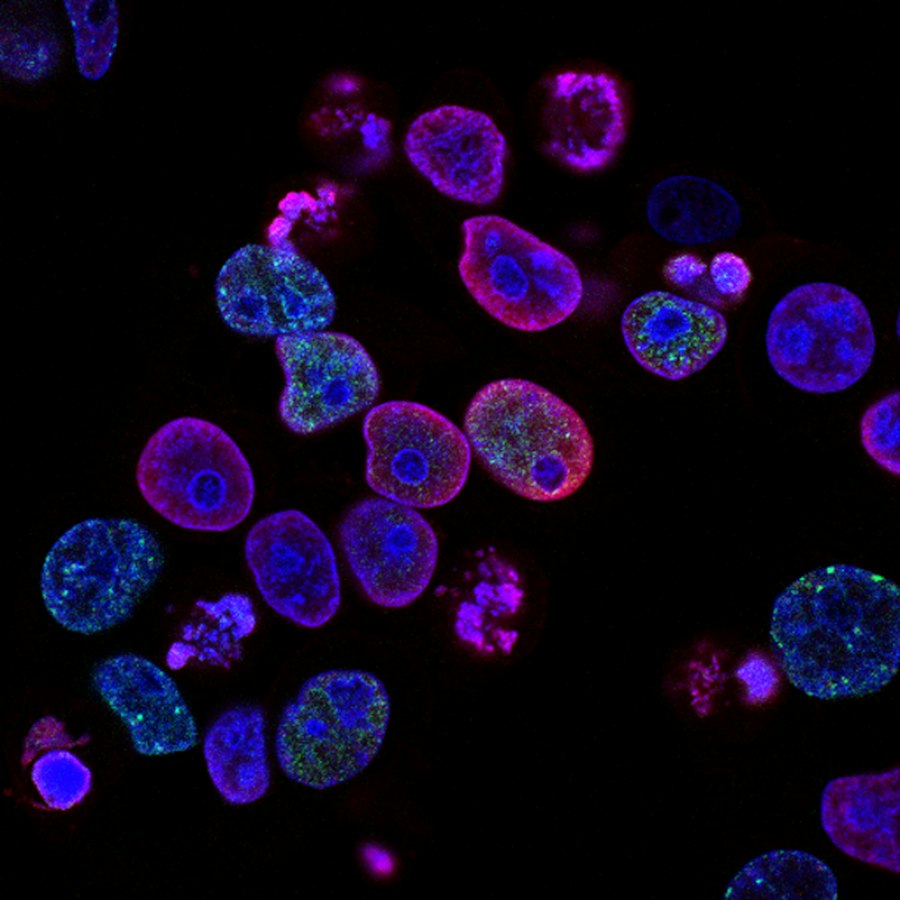
Delivery method determines whether NAD+ reaches the tissue where energy production occurs.
The research on oral NAD+ bioavailability is less favourable than supplement marketing suggests. NMN and NR are precursors, not NAD+ itself — they must be converted in the body after absorption. The conversion pathways are real but involve multiple enzymatic steps, each with its own efficiency limitations.
Direct oral NAD+ faces a more fundamental problem: the gut is not designed to absorb intact NAD+. Intestinal enzymes (CD73, ENPP1) hydrolyse NAD+ into its component parts before it can be absorbed as a whole molecule. Most of what you swallow as “NAD+” never arrives as NAD+.
Intravenous delivery (IV drip) does work. It bypasses all of these obstacles and delivers NAD+ directly into the bloodstream at high concentrations. This is why IV NAD+ therapy is effective — but at €250–€500 per session, two to three times per week, the cost is prohibitive for all but the very wealthy.
Beneath-the-skin delivery represents the practical middle ground. By delivering under the skin rather than into the gut, this route avoids the first-pass metabolism and enzymatic degradation that compromise oral delivery. By using a clinically pure compound in a controlled delivery system, it achieves the tissue distribution that oral supplements do not. Learn more about how beneath-the-skin NAD+ delivery works directly to tissue.
Beneath-the-skin delivery bypasses the gut entirely, avoids first-pass liver metabolism, and delivers NAD+ directly to the tissue layer — the same comfort-tip technology trusted by millions worldwide for at-home wellness routines.
The route matters more than the molecule.
Oral NAD+ & Precursors
NMN and NR must survive gut transit, then convert through multiple enzymatic steps. Blood NAD+ may rise; tissue translation is unclear. The gut is not designed to absorb intact NAD+ — digestive enzymes break it down before absorption.
IV NAD+ Therapy
Bypasses all absorption barriers. Effective — but requires 2–6 hours in a clinic, costs €250–€500 per session, and is not accessible for sustained protocols. The biology works; the logistics do not.
Beneath-the-Skin Delivery
The optimal delivery method. Bypasses gut degradation, avoids first-pass metabolism, delivers directly to tissue. The same comfort-tip technology trusted by millions worldwide for at-home wellness routines. Under 60 seconds, at home, on your schedule.
See How the Pen WorksNMN vs NR vs Direct NAD+: What's the Difference?
NMN (Nicotinamide Mononucleotide): A direct NAD+ precursor. One step away from NAD+ in the biosynthetic pathway. Oral NMN bioavailability varies — some research suggests it survives gut transit better than direct NAD+. Blood NAD+ elevation has been documented in some human trials. Tissue translation is less clear.
NR (Nicotinamide Riboside): Two steps from NAD+ in the biosynthetic pathway. Survives gut transit reasonably well. Multiple human trials confirm blood NAD+ elevation. As with NMN, the relationship between blood elevation and tissue availability is not established.
Direct NAD+: The endpoint of the pathway. When delivered orally, poorly absorbed intact — enzymatic degradation in the gut is the primary obstacle. When delivered directly beneath the skin, bypasses this issue entirely. The compound your cells actually need, delivered directly.
For a full comparison of all delivery methods: how NAD+ delivery methods compare.
What the Clinical Research on NAD+ Restoration Actually Shows
The peer-reviewed literature on NAD+ supplementation in humans is growing but not yet definitive. Here is an accurate summary of where the evidence stands:
Confirmed by multiple studies
NAD+ declines substantially with age in humans (multiple studies, consistent finding). CD38 is the primary driver of that decline (Camacho-Pereira et al., 2016). Oral NMN and NR raise blood NAD+ levels in humans (several small trials confirm this). Beneath-the-skin NAD+ delivery achieves higher tissue distribution than oral in preclinical models.
Requiring larger trials
Subjective improvements in energy, sleep, and cognitive function in open-label studies. Improved muscle function parameters in elderly populations (Yoshino et al., 2021). Potential effects on cardiovascular and metabolic markers.
In humans
Direct causal link between supplemental NAD+ and extended lifespan. Specific magnitude of cognitive benefit. Optimal dosing protocol for any specific outcome.
Our Position: The evidence supports NAD+ restoration as a way to address cellular energy deficiency. Lifespan extension claims go beyond what the current human data supports — and we won't make them.
We cite what the evidence supports. We do not claim more. Read more on circadian timing and NAD+ delivery.
Frequently Asked Questions About NAD+
NAD+ is a coenzyme present in every cell. It powers mitochondrial energy production via the electron transport chain, activates sirtuins (SIRT1–7) for DNA repair and longevity signalling, supports PARP enzymes for DNA damage detection, and regulates circadian rhythm. It participates in over 500 enzymatic reactions.
The primary driver is CD38, an enzyme that increases dramatically after age 40. CD38 consumes NAD+ 20–50 times faster than the body can produce it. This was first characterised by Camacho-Pereira et al. in Cell Metabolism (2016). By age 60, most people have roughly half the NAD+ they had at 30.
CD38 is a glycohydrolase — an enzyme that breaks down NAD+ as part of calcium signalling and immune regulation. After age 40, CD38 expression increases substantially, consuming NAD+ at a rate that far exceeds production capacity. It is the primary mechanism of age-related NAD+ depletion.
Common symptoms include persistent fatigue that doesn't resolve with sleep, cognitive fog (especially mid-afternoon), delayed muscle recovery, disrupted sleep architecture (waking between 2–4am), and a general sense that your baseline energy has shifted downward.
NAD+ functions as an electron carrier in the mitochondrial electron transport chain, which produces ATP (cellular energy). When NAD+ is depleted, mitochondria produce less ATP. This creates a feedback loop: dysfunctional mitochondria produce more free radicals, causing more DNA damage, which consumes more NAD+.
Sirtuins (SIRT1–7) are a family of proteins that regulate cellular health, longevity signalling, inflammation, and metabolic efficiency. They cannot function without NAD+. When NAD+ is depleted, sirtuin activity collapses — and with it, much of the cellular maintenance machinery.
Blood NAD+ and tissue NAD+ are separate compartments. Blood NAD+ can be elevated while tissue NAD+ remains depleted. Energy production occurs in tissue, not blood. Blood testing has clinical utility but is an imprecise proxy for the cellular energy status you're trying to address.
Oral NAD+ and its precursors face digestive enzymes that break them down before absorption. Even surviving fractions enter the blood — not tissue. Beneath-the-skin delivery bypasses the gut entirely, delivering directly to the tissue layer where energy production occurs. Read more about why oral NAD+ supplements don't work.
NMN is one biochemical step from NAD+, NR is two steps away. Both must be converted in the body with efficiency losses at each step. Direct NAD+ delivery puts the molecule itself where it's needed — no conversion required, no gut degradation.
Beneath-the-skin delivery bypasses gut degradation entirely, delivering NAD+ directly into the tissue layer — where it absorbs to the tissue. This is the same comfort-tip technology trusted by millions worldwide for at-home wellness routines.
NAD+ levels decline approximately 50% between ages 30 and 60. By age 70, most people have less than a quarter of the NAD+ they had at 20. The decline accelerates after 40 due to increased CD38 enzyme activity.
Yes. PARP enzymes, which detect and repair DNA damage, consume NAD+ as a substrate. When NAD+ is depleted, DNA repair capacity is compromised. Additionally, sirtuins SIRT1 and SIRT6 — both NAD+-dependent — are directly implicated in DNA repair and telomere maintenance.
There is no established direct causal link between supplemental NAD+ and extended human lifespan. Animal studies are promising. The evidence supports NAD+ restoration as a way to address cellular energy deficiency — but lifespan extension claims go beyond what the current human data supports.
They are related but not the same. Vitamin B3 (niacin) is a precursor in one biosynthetic pathway to NAD+. But supplementing B3 provides a starting material for NAD+ production via an inefficient multi-step route. It is not a substitute for direct NAD+ replenishment.
Well-established: NAD+ declines with age, CD38 is the primary driver, oral NMN/NR raise blood NAD+. Promising but requiring larger trials: subjective improvements in energy, sleep, cognition. Not yet established in humans: direct causal link to extended lifespan or specific magnitude of cognitive benefit.
The NADPure longevity pen delivers clinically pure NAD+ directly beneath the skin — the delivery route the research supports.
No gut degradation. No conversion steps. No clinic visits. Direct NAD+ to tissue, at home, on your schedule.